











The POS industry is evolving, and it is only right that the regulations evolve with it. Hence, the reason the Central Bank of Nigeria (CBN) has issued updated guidelines for POS agents in the country. The new guidelines will take effect from April 1, 2026. All POS agents and customers, should get familiar with them.
The new guidelines aim to strengthen the financial system. It will improve service delivery, expand financial inclusion, and promote responsible banking conduct. As a POS agent, it’s essential to understand the critical changes that will impact how you operate, so that you can remain compliant and efficient in your services.
What is POS Agent Banking?
POS agent banking allows individuals to provide banking services on behalf of a licensed financial institution. These services include cash deposits, withdrawals, bill payments, fund transfers, and others. It makes banking accessible in areas where bank branches are unavailable.
Like any financial institution, agent banking is also regulated by the CBN. The updated regulations are targeted at streamlining and securing the environment for the services agents provide.
CBN Regulations for Agent Banking
The Central Bank of Nigeria (CBN) has long recognized the role of agent banking in promoting financial inclusion across the country. In the past, the CBN issued separate frameworks for the regulation of agent banking, including the Agent Banking Guidelines (2013) and the Super Agent Licensing Framework (2015). However, with technological advancements and the increasing sophistication of financial services, the CBN has updated these regulations to ensure they address current challenges and promote the growth of agent banking in a secure, efficient, and compliant manner.
The updated 2026 guidelines aim to strengthen the role of POS agents by providing clear frameworks on:
- Transaction limits and operational boundaries.
- Appointment and management of agents by licensed financial institutions (Principals) and Super Agents.
- Technology and data security requirements to protect financial transactions.
- Consumer protection and risk management measures to protect both agents and customers.
The new regulations are designed to ensure POS agents operate within a well-defined structure that promotes transparency, trust, and security for all stakeholders.
Key Changes POS Agents Must Be Aware Of
1. Expanded Role and Services for Agents: Under this, agents can provide different services to their customers. They are;
- Cash deposits and withdrawals within prescribed transaction limits.
- Facilitating bill payments, such as utility bills and school fees.
- Funds transfer services (only for Naira transactions).
- Account balance inquiries and mini bank statements via SMS or email.
- Cheque book requests and collections, and other services, as the CBN approves.
However, POS agents are prohibited from handling banking services like loan underwriting, investment services, and foreign exchange activities.
2. Clearer Guidelines on Agent Appointment: POS agents will now be exclusively appointed by a Principal (a licensed financial institution like Kashzoo) and cannot work with more than one Principal at a time. Agents can also offer financial transactions under a Super Agent. A super agent is a licensed individual who recruits and manages POS agents. The recruitment process is stricter. It has to be thorough and follow due diligence and risk assessment.
Agents must sign an official agreement with their Principal that clearly defines their roles, obligations, and fees. This agreement will also include clauses on anti-money laundering (AML) and customer protection to ensure safe and legal operations.
3. POS Agents Must Use a Single POS Machine: A significant change in the new guidelines is that POS agents must operate with a single POS terminal for all their transactions. The POS terminal deployed must be geo-fenced. This implies it can only operate within the agent’s location. This is to ensure that transactions are secure and within the normal area of operations. Any breach of this regulation, such as multiple POS terminals or working outside the assigned area, can attract fines or cancellation of the agent’s contract of the agent.
This measure aims to lower fraud risk, improve transaction monitoring, and ensure compliance with transaction limits. Agents must also link their POS terminals to a dedicated account for transparency.
4. Compliance with Data Security and Consumer Protection: POS agents must implement secure technology to protect customer data. They must encrypt transaction details and do the two-factor authentication (2FA) for transactions. They must also provide customers with receipts for every transaction for transparency and trust.
5. Stricter Operational Limits: The strict transaction limits that POS agents must adhere to are;
- Daily cash withdrawal limit: POS agents can process cash-out transactions up to ₦1,200,000 per day.
- Bill payment: POS agents are limited to ₦100,000 for daily bill payment services.
Agents must not process transactions that exceed the established daily limits to ensure better control and minimises risk exposure.
6. Penalties for Non-Compliance: The CBN has made it clear that non-compliance with these regulations will lead to penalties. There will be heavy fines and even the blacklisting of non-compliant agents. Penalties may range from N100,000 per day for violations like engaging in non-permissible activities to more severe actions such as revocation of licenses for repeat offenders.
How Can POS Agents Adapt to These Changes?
To ensure a smooth transition and avoid penalties, POS agents must:
- Review Contracts and Agreements: Confirm all agreements with Principals and Super Agents are updated to reflect the updated regulations.
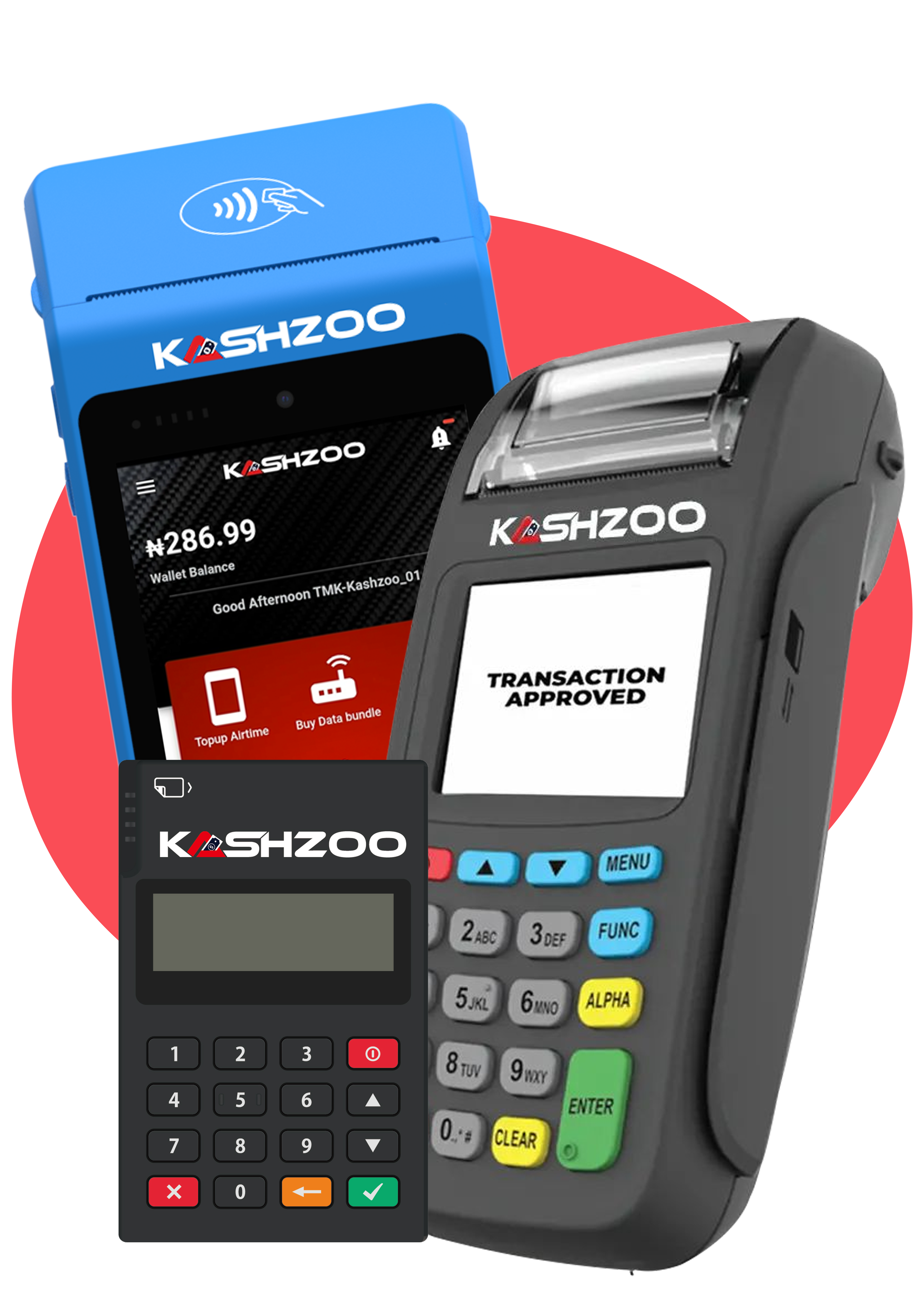
- Adopt Secure Technology: Invest in reliable Point of Sale (POS) devices like Kaszoo that comply with the new security standards.
- Train Staff: Conduct regular training on the latest regulations, focusing on customer service, AML/CFT compliance, and transaction processing.
- Monitor Transaction Limits: Keep track of daily transaction limits and ensure that they are not exceeded.
- Adhere to the Single POS Machine Rule: Ensure that only one POS terminal is used, and it is geo-fenced to the agreed location.
Our Take
The new POS policy by the CBN is a major change in the operation of the POS agents in Nigeria. These new guidelines need to be followed by agents to keep on providing financial services to communities. They will also guarantee customer transaction security and protect the banking system’s integrity. Therefore, agents must revise the guidelines before the 2026 deadline and adjust their workflow accordingly.

What do you think?
It is nice to know your opinion. Leave a comment.