











If you run a POS business in Nigeria, chances are you’ve dealt with this before.
Once upon a transaction time, a customer wanted to buy a wristwatch from a seller, but the seller didn’t trust mobile payments, so he called a nearby POS vendor to receive the payment on his behalf. After all parties agreed, the customer (wristwatch buyer) made the transfer. The network fluctuated, and the transaction seemed to have failed. The buyer tried again, and then suddenly, two debits hit her account instead of one. The customer was angry, and the POS agent got confused, because their reputation was on the line.
Duplicate transactions sometimes occur, and they are among the biggest headaches for POS agents across Nigeria. They create disputes, damage trust, and can even lead to financial losses. The good news for POS agents and customers is that they are very preventable.
This post contains everything you need to know about duplicate transactions and how to prevent them.
What Is a Duplicate Transaction?
A duplicate transaction happens when a customer is charged more than once for the same purchase. It usually occurs when;
- A transaction appears to fail, but actually went through
- The POS terminal processes the same payment twice due to a network glitch
- A customer or agent initiates the payment again before the first one is confirmed
In the fintech space, especially in Nigeria, we face network instability. This problem is especially frequent, particularly in busy areas like markets and motor parks, and in rural areas with poor connectivity.
Why It Matters for Your POS Business
One bad experience can send a customer to your competitor across the street because your POS business actually thrives on trust. Aside from the common frustration and the inconvenience, duplicate transactions can;
- Damage your reputation
- Trigger disputes and chargebacks, which waste your time and money
- Lead to financial losses if refunds are not properly tracked
- Attract regulatory scrutiny for repeated complaints, which can flag your agent account
How to Prevent Duplicate Transactions
1. Always Wait for a Transaction to Fully Complete
This is the number one and the golden rule. Never rush a transaction. After a customer inserts their card, wait. Give the POS terminal enough time to communicate with the bank and return a final response.
If the screen shows “processing,” do not restart or retry. Interrupting mid-transaction is one of the most common causes of duplicate transactions.
2. Check Your POS Terminal’s Transaction History Before Retrying
Before you attempt a second transaction, check your terminal’s transaction log. Most POS devices in Nigeria, whether from Kashzoo or traditional banks, allow you to view recent transactions.
If the first attempt shows as successful in the log, do not process it again, even if the customer says they weren’t debited yet. Bank notifications sometimes delay, especially on mobile networks.
3. Ask the Customer to Check Their Account First
Before any retry, ask the customer to check their bank app or USSD balance. A quick *822# (Sterling Bank USSD code), *945# (Wema Bank), or *966# (Zenith Bank) can confirm whether a debit occurred. This one step alone can save you from most duplicate transaction disputes.
4. Use a Stable Network Connection
Poor network is the root cause of most failed and duplicate transactions. If you can;
- Use a POS terminal with a strong SIM signal
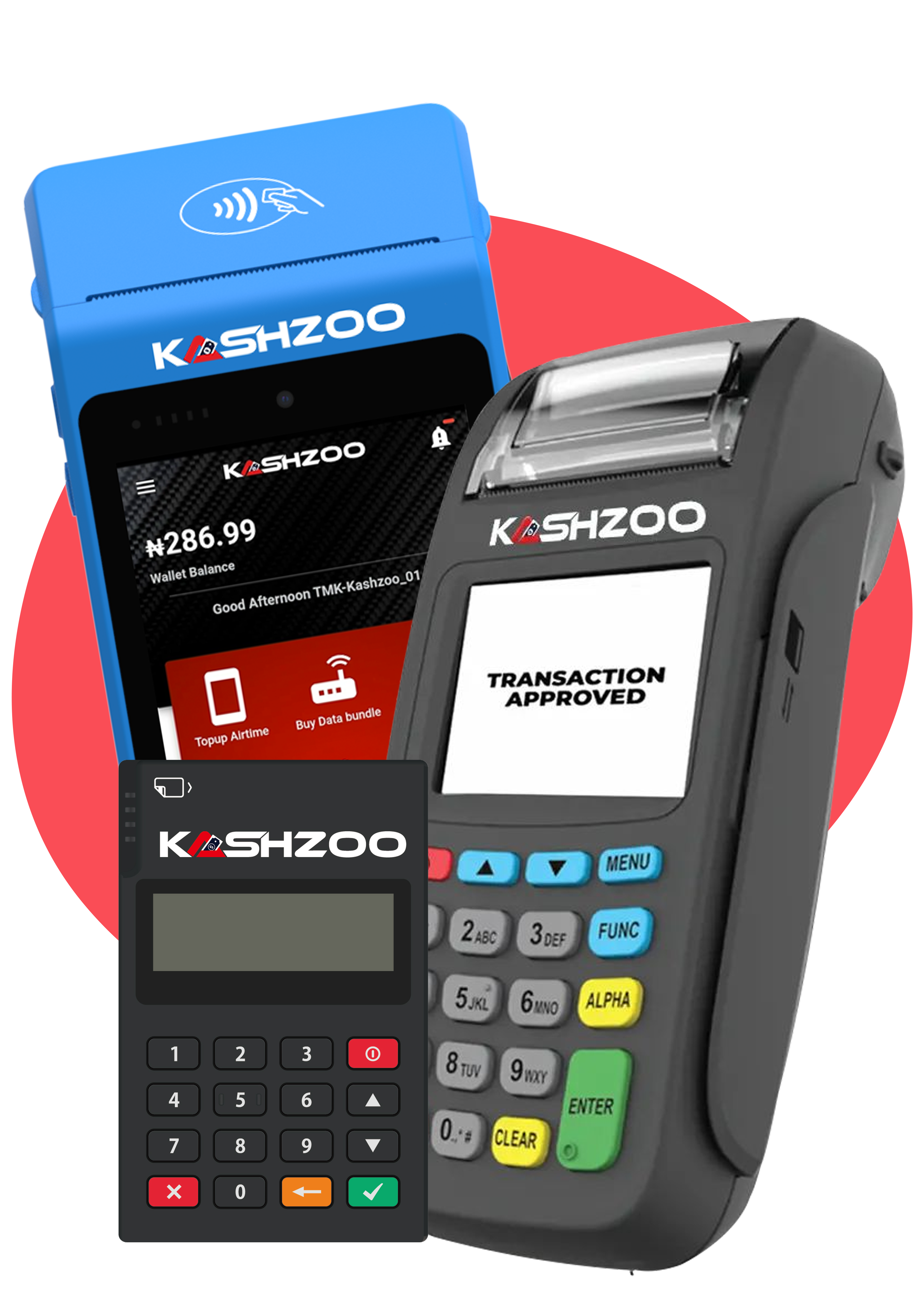
- Use a POS terminal with dual SIM, like Kashzoo
- Position your terminal in areas with better reception
- Avoid busy peak hours for large transactions if your network is unreliable
5. Keep a Manual Transaction Record
Keep a simple notebook or use a free app to log every transaction time, amount, and the last four digits of the customer’s card. It makes it easy to verify disputes and prove whether a transaction was processed once or twice.
6. Know How to Reverse a Duplicate Transaction Quickly
Despite your best efforts, duplicates can still happen. When they do, act fast and do these;
- Contact your POS provider’s customer support immediately
- Provide the transaction reference numbers for both charges
- Keep the customer informed throughout the process
Most providers, especially Kashzoo, have reversal processes in place. And the faster you report it, the faster it gets resolved.
Final Thoughts
As a POS agent operating in Nigeria, you have to stay one step ahead of technical issues. Duplicate transactions will happen, and they are frustrating, but with the right habits like waiting for confirmation, checking transaction history, and keeping records, you can avoid most of them.
Your customers trust you with their money. Contact Kashzoo customer support to protect that trust, and your business will grow.

What do you think?
It is nice to know your opinion. Leave a comment.