











The POS business has become one of the most accessible ways to earn a steady income in Nigeria. It has become almost impossible to walk down the streets in Lagos, Abuja, Ibadan, Onitsha, Kaduna, and not find at least one agent offering cash withdrawals, transfers, and bill payments under a canopy or inside a small shop.
While the entry barrier is low, running a profitable, sustainable POS business requires more than a terminal and a location. As a POS agent or potential one, you need to understand your costs, know where your money comes from, and manage the challenges that come with the job every day. This post tells you how.
Understanding the POS Business Model
A POS agent acts as a human ATM and mini bank branch for people in their community. Your customers come to you because they cannot easily access a bank, the nearest ATM is far, or they simply need a faster option.
As an agent, you typically offer cash withdrawals, cash deposits, fund transfers, airtime and data sales, utility bill payments such as DSTV, EKEDC, and LAWMA, and merchant payment processing for small businesses. Some agents also provide account-opening support for partner banks.
The more services you offer, the more transaction opportunities you create and the more value you bring to your customers.
The Startup Costs You Need to Plan For
Before you earn your first naira, you will spend money setting up. Understanding these costs upfront helps you plan properly and avoid running out of money before your business gains traction.
- The POS Terminal
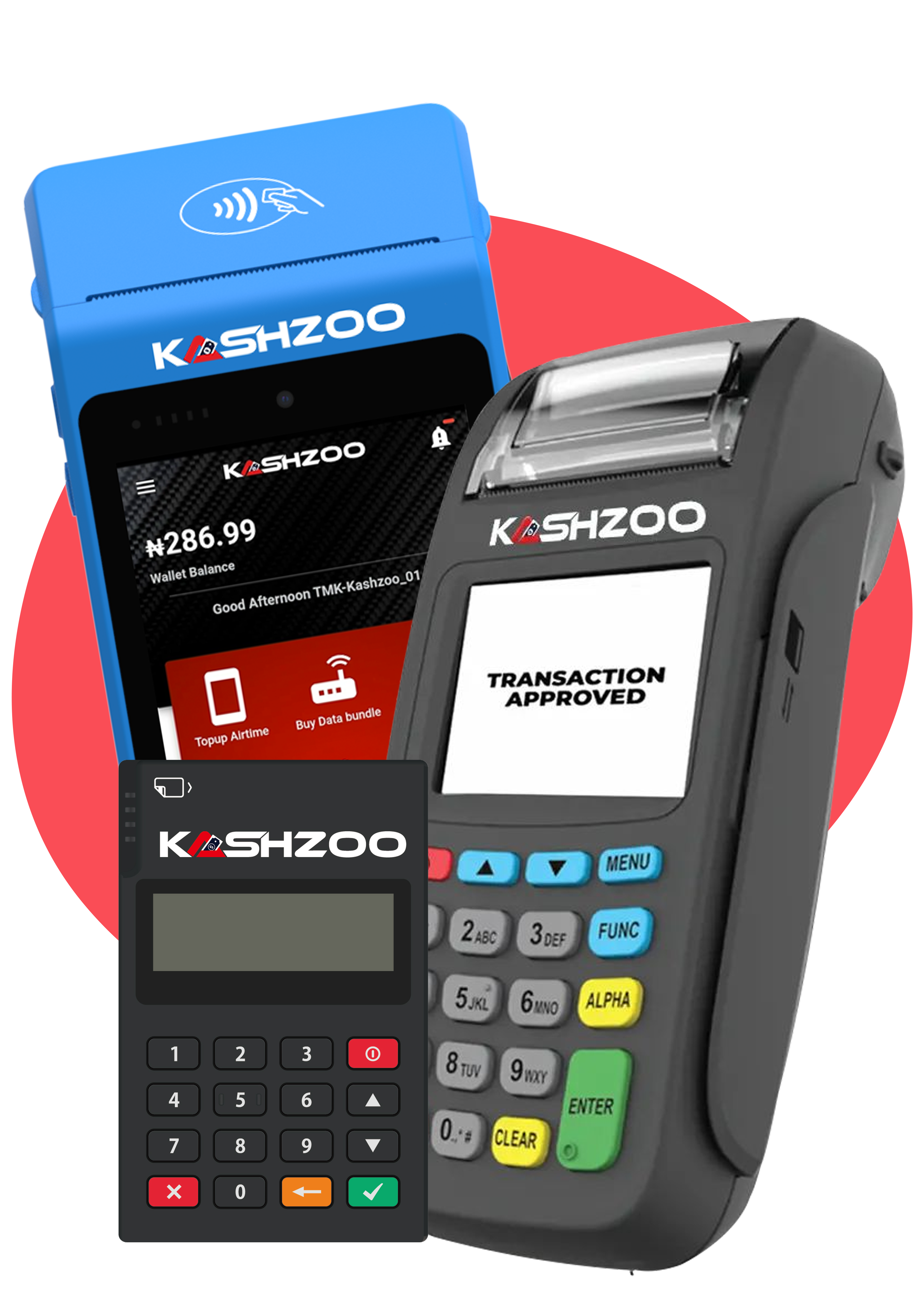
The POS terminal itself is your first expense. Depending on the provider and whether you are buying outright or leasing, terminals in Nigeria currently range from around ₦30,000 to ₦80,000 or more. Some banks and service providers like Kashzoo offer terminals at subsidised rates in exchange for meeting transaction targets.
- Your Business Location
Your business location matters a lot. A busy spot near a market, motor park, or residential estate will attract more customers but may come with higher rent. A quieter location costs less but may generate fewer transactions. You need to balance foot traffic against overhead costs from the start.
- Working Capital
Working capital is the most critical and most underestimated startup cost. You need enough cash on hand to serve customers who want to withdraw. If a customer wants ₦20,000 and you do not have it, you lose the transaction and possibly the customer. Most experienced agents recommend having a float of at least ₦100,000 to ₦300,000 to operate comfortably, depending on your location and expected daily volume.
Where Your Revenue Comes From
Understand your income sources, so you can deliberately maximise each one. Below are sources of your income;
- Transaction Charge
Your primary income stream is the transaction charge on cash withdrawals. Agents typically earn between ₦100 and ₦200 per withdrawal, depending on the amount and platform. Volume is everything here because the more customers you serve daily, the more you earn.
- Bill Payments
Bill payments and digital services are often overlooked but highly valuable. When you process DSTV subscriptions, electricity tokens, or data bundles, you earn a small commission on each transaction. These transactions also require no cash float, which means they are essentially free money for the time it takes to process them.
- Merchant Payments
Merchant payment services are a growing revenue stream for agents positioned near small businesses. Shop owners, food vendors, and traders who want to accept transfers or card payments can use your terminal. You earn a percentage of each transaction processed, and it builds a loyal commercial relationship that keeps them coming back.
Factors That Affect Your Profitability
Knowing your income sources is only half the picture. What you keep at the end of the day depends heavily on these factors;
- Competition
Competition in most Nigerian locations is intense. Multiple agents often operate within the same block. The agents who survive and grow are those who offer better service, are more reliable, and build personal relationships with their customers. Competing on price alone is a race to the bottom.
- Uptime
Uptime is money. Every minute your terminal is offline, or your network is down, you are losing customers to the agent around the corner. Choosing a platform like Kashzoo with a reliable network infrastructure and fast dispute resolution is a business requirement.
- Security Risks
Security risks are real and costly. Cash-heavy businesses often attract theft. Fraudulent transactions, fake alerts, and chargebacks can wipe out a day’s profit or more. You need to stay current on fraud patterns. Verify every transaction before releasing cash, and keep your physical environment as secure as possible.
- Cash Flow Management
Cash flow management separates thriving agents from struggling ones. If your float dries up by midday, your business effectively closes for the rest of the day. You need a disciplined system for replenishing cash, tracking your daily earnings, and separating business funds from personal expenses.
- Regulatory Changes
Regulatory changes and market shifts also affect your POS business. CBN policies on cash limits, transaction fees, and agent banking guidelines change periodically. Staying informed and adapting quickly protects your business from being caught off guard.
Building a Sustainable POS Business
Sustainability means your business can survive slow days, absorb setbacks, and keep growing over time. To get there, focus on these things:
- Build customer loyalty through consistency and trust. Show up daily, resolve issues quickly, and treat every customer with respect. Loyal customers become your best marketers.
- Diversify your services so that your income does not depend entirely on withdrawal transactions. The more you offer, the more resilient your revenue becomes.
- Track your numbers weekly. Know your daily transaction count, average earnings per transaction, total expenses, and net profit. Agents who understand their numbers make better decisions and spot problems before they become crises.
Final Thoughts
The POS business can be genuinely profitable and sustainable, but only for agents who treat it like a real business. Understand your costs before you start. Know exactly where your revenue comes from. Manage your cash, your risks, and your customer relationships with discipline.
The agents earning well in the POS business are those with reliable POS terminals like Kashzoo, who are informed, consistent, and always looking for ways to improve. You can be one of them.


Pingback: How to Calculate Profit in Your POS Business (With Real Examples) - Kashoo Blog