











Running a POS business in Nigeria can be genuinely rewarding. You are providing a service your community depends on, building customer relationships, and creating a steady stream of income. But with that opportunity comes a responsibility of keeping your transactions secure.
Fraud is not something that only happens to big banks or careless operators. It happens to hardworking POS agents when they least expect it. A single successful scam can wipe out a day’s profit, damage your reputation, or even put your entire business at risk.
This article breaks down the real security threats you face as a POS agent and the practical steps you can take to protect yourself, your money, and your customers.
Why Security Matters in Agency Banking
POS agents handle cash, process digital transactions, and serve as a trusted financial access point for people in your community, many of whom have limited banking alternatives.
As a POS agent, that trust is your most valuable asset. And fraudsters know it.
Because POS agents handle high transaction volumes and often serve customers in busy environments, they can be easy targets for fraud. A moment of distraction is all it takes. That is why understanding the risks is the foundation of a sustainable POS business.
Common Security Risks Every POS Agent Should Know
- Fraudulent Transactions
This is one of the most prevalent threats in agency banking. A fraudster initiates a transaction withdrawal, transfer, or payment using stolen account details or tampered credentials. By the time the fraud is detected, the money is already gone, and you may be held responsible for the shortfall.
Pro Tip: Always verify transaction details before processing. If something looks off, trust your instincts and delay until you are certain.
- Phishing Attacks
Phishing occurs when someone tricks you into revealing sensitive information, such as your login credentials, PIN, or account details, by impersonating a legitimate organisation. You might receive a text, email, or WhatsApp message that appears to be from your service provider or bank, asking you to click a link and “verify your account.”
Once you enter your details on that fake page, the fraudster has everything they need.
Best Practice: Never click on suspicious links, and never enter your credentials anywhere other than your verified platform.
- Social Engineering Scams
Social engineering is more personal than phishing. It relies on manipulation and conversation. A fraudster might call you pretending to be a customer service agent, a fellow POS operator, or even a bank official. They will create a sense of urgency, telling you there is a problem with your account or that you need to act fast to avoid being blocked. Their goal is to pressure you into sharing your OTP, PIN, or account information before you have time to think.
Important Note: Legitimate organisations will never ask for these details over the phone. Hang up. Verify through official channels.
- Stolen or Cloned Cards
Some customers attempt to use stolen cards at POS terminals. Others use cloned cards that carry another person’s account information. If you process a transaction with a stolen or cloned card, you could be implicated in the fraud, and the legitimate account holder can reverse the transaction, leaving you at a loss.
Pro Tip: Ask for identification when processing large transactions. Be alert to customers who seem nervous, rush you, or discourage you from following your usual process.
- Fake Alerts
This is one of the most reported scams targeting Nigerian POS agents. A customer comes to withdraw money and insists on sending it through their mobile wallet. They show you a transaction alert on their phone as proof, and walk away with cash without a real transfer hitting your account
Fake alerts can look real. The only way to protect yourself is to verify directly via your POS terminal or banking app before handing over cash.
Warning: A screenshot from a customer’s phone is never sufficient proof.
Best Practices for Protecting Your POS Business
Here are habits that make your business harder to compromise;
- Verify every transaction independently.
Before handing over cash or completing a sale, confirm the payment has arrived in your account. Do not rely on screenshots, alerts from customers’ phones, or verbal confirmation.
- Secure your POS device with a strong PIN or password.
Your terminal is a financial tool, and access to it must be tightly controlled. Avoid using easy-to-guess combinations like “1234” or your date of birth. Never let customers handle your device unsupervised.
- Train yourself to recognise red flags
Customers who rush you, insist you skip verification steps, or become aggressive when you exercise due diligence are waving red flags. Slow down. It is your business and your money on the line.
- Limit who has access to your terminal and business information
If you have staff, ensure they are trained in fraud prevention as well. A dishonest or careless employee can expose your business just as easily as an external fraudster.
- Keep your software and apps updated
Outdated systems are more vulnerable to exploitation. Regular updates often include critical security patches that protect your terminal from known threats.
- Work exclusively with trusted and licensed service providers
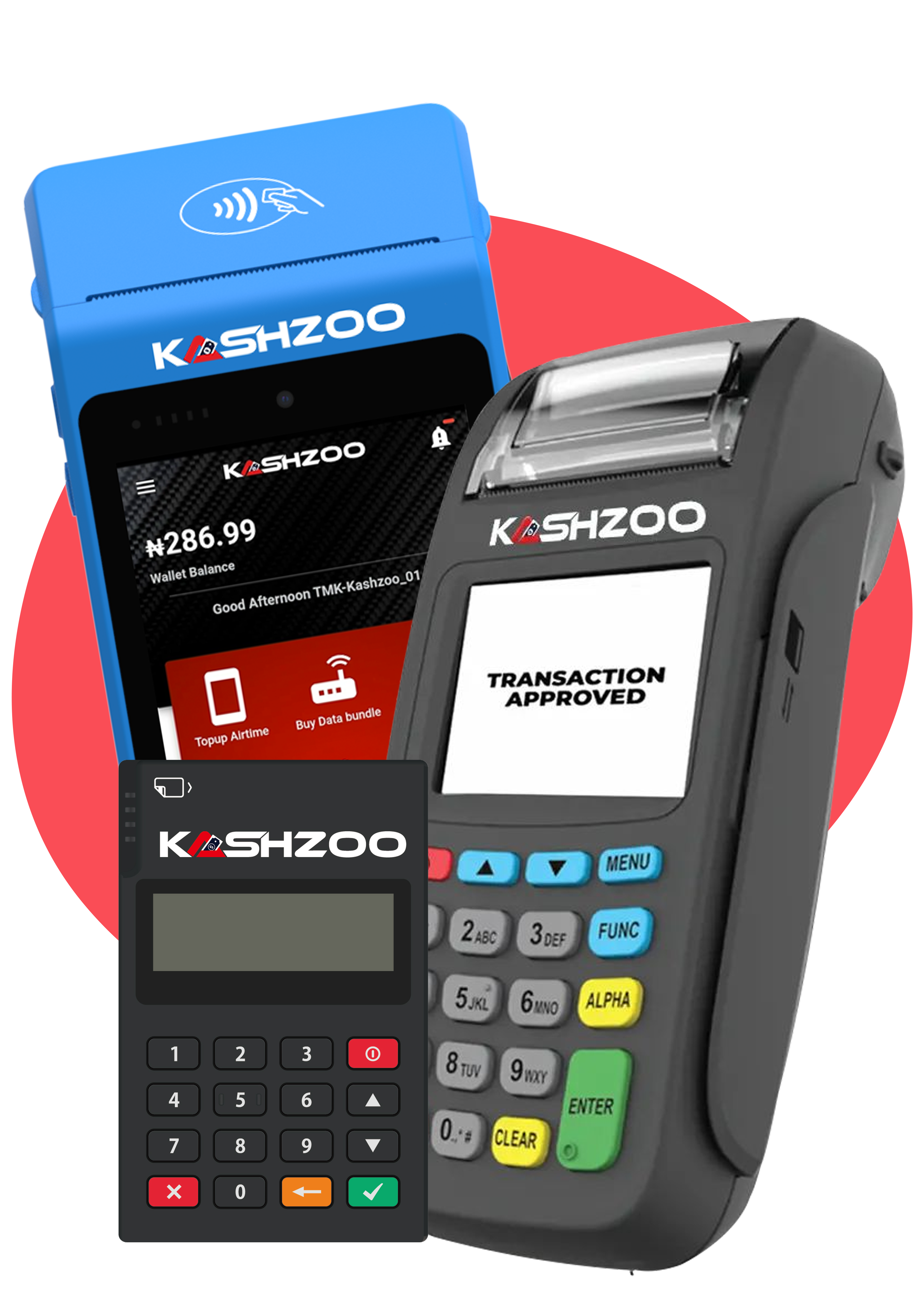
Not all POS platforms are created equal. So, choose a provider like Kashzoo is regulated, transparent about security infrastructure, and responsive when issues arise.
- Report suspicious activity immediately
If you notice unusual transaction patterns, receive strange calls, or suspect your account has been compromised, report it to your service provider right away. Early reporting can prevent further losses and help protect other agents, too.
How Kashzoo Supports Secure Transactions
Security is not something POS agents should have to figure out on their own. The right platform makes it easier to operate safely, and that is exactly what Kashzoo is built to do.
Kashzoo supports safe and efficient operations through real-time transaction monitoring, instant alerts for every activity on your account, and a robust verification system that keeps your funds protected. When a suspicious transaction is flagged, you are notified immediately, giving you the opportunity to act before damage is done.
Beyond the technology, Kashzoo provides agent support that you can actually reach. If something goes wrong or you suspect fraud, you are not left to solve the problem alone. A responsive support system means issues get resolved faster, and your exposure is minimised.
Kashzoo also operates in full compliance with CBN regulations, giving you the confidence that you are working with a platform built on a secure and accountable foundation.
Final Thoughts
The POS business is built on the trust your customers place in you when they hand over their card, enter their PIN, or send you money. Protecting that trust is both good ethics and good business.
Fraud and security threats are real and will not go away. But with the right knowledge, disciplined habits, and a secure platform like Kashzoo behind you, you can run a profitable, genuinely resilient POS business.

What do you think?
It is nice to know your opinion. Leave a comment.