











Running a POS business looks simple from the outside. You set up your table, put your umbrella and banner, and customers start coming for withdrawals, transfers, and airtime. But if you’ve been in this business for even a few months, you already know it’s not that straightforward.
Between managing floats, dealing with network issues, and watching out for fraudsters, a POS agent’s day can get chaotic fast. That’s exactly why you need a daily checklist. It’s not extra work; it’s what separates agents who grow their business from those who keep struggling with losses they can’t explain.
Here’s a practical daily checklist that works whether you’re a solo agent with one terminal or you manage a small POS shop with staff.
1. Check Your Float and Cash Balance First Thing
Before you open for the day, know exactly how much cash and float you’re starting with. Check your bank balance, count your physical cash, and confirm your e-float is enough to handle the day’s transactions.
Agents who skip this step often find themselves turning away customers mid-morning because they ran out of cash or float without realising it. Starting your day blind is one of the fastest ways to lose business to the agent down the road.
Write your opening balance down somewhere, even if it’s just in your notebook or a notes app. This small habit becomes very useful when you’re reconciling later.
2. Confirm Your POS Terminal, Power Bank and Network Are Working
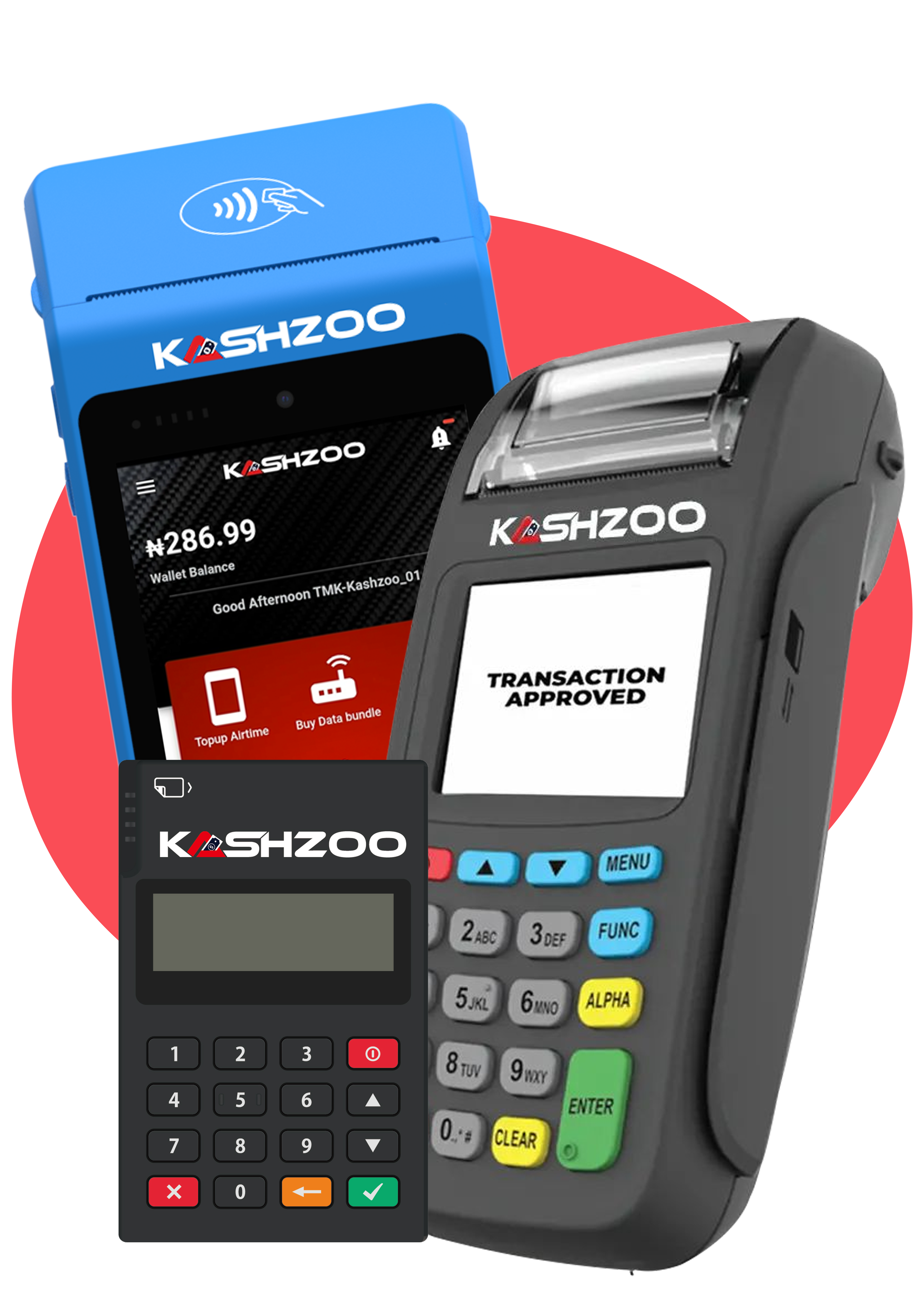
Test your terminal before your first real customer transaction. Even if you use a very reliable POS terminal like Kashzoo, still do a quick balance check or a small transaction to confirm the machine is reading cards properly, and your network connection is stable.
Network issues are one of the biggest headaches in this business. A failed transaction that still deducts a customer’s money can cost you goodwill, time, and sometimes even cash out of your own pocket to settle the customer. Catching a network problem early, before a customer is standing in front of you, saves you that stress.
3. Confirm your Powerbank is Charged and Available
Customers do not like to wait for any reason, telling them to wait due to your device’s low battery will only make them go to the next vendor. So, before you start attending to customers, check if your powerbank is charged.
If your terminal has a low battery or the receipt paper is running out, sort it out immediately. Small things like this can slow down your service during busy hours.
4. Reconcile Every Transaction as It Happens
Don’t wait until the end of the day to find out something doesn’t add up. After each transaction, especially cash withdrawals and transfers, confirm the money has actually left the customer’s account or reflected where it should.
This is one of the most important habits for any serious POS agent. Reversals, delayed transactions, and disputed payments are common in the POS business, and the agents who lose the most money are usually the ones who don’t check as they go. Keep a simple log of transactions, amounts, and confirmations throughout the day, not just a mental note.
5. Watch Out for Fraud Patterns
POS fraud is real, and it targets agents just as much as it targets banks. Be alert to customers who seem rushed, pressure you to complete a transaction quickly, or ask you to reverse something “urgently” before you’ve confirmed it landed properly.
Some common tricks include fake alerts showing a transfer was made when it wasn’t, or customers claiming a withdrawal failed when it actually succeeded. Make it a daily habit to double-check alerts against your actual app balance, not just what a customer shows you on their phone screen.
If something feels off, it’s okay to slow down and verify before completing a transaction. A few minutes of caution is far better than losing money you can’t recover.
6. Track Your Daily Charges and Commissions
Your commission is the whole point of this business, so track it daily. Note how much you’ve earned from withdrawals, transfers, bill payments, and any other services you offer.
Some agents lose track of this and end up unsure whether their business is actually profitable after subtracting internet charges, transport, and other daily costs. Knowing your numbers daily helps you spot which services are making you money and which ones are barely worth the stress.
7. Manage Your Cash-Out and Rebalancing
As the day goes on, keep an eye on how your cash and float are moving. If you’re running low on cash but have excess float, or the other way round, plan your rebalancing early rather than waiting until you’re stuck.
Agents who wait until they’re completely out of cash or float often end up closing early or turning customers away at peak hours, which are usually the most profitable times of the day. A quick midday check helps you stay ahead of this.
8. Review the Day and Prepare for Tomorrow
Before you close, go through your records. Compare your opening balance, transactions, commissions, and closing balance. Confirm everything matches up, and note any issues that need following up, like a delayed transaction or a customer dispute.
Use this time to also plan for tomorrow. Do you need to fund your account before the banks close? Is there a customer you promised to follow up with? A few minutes of planning tonight saves you confusion tomorrow morning.
Why This Checklist Matters for POS Agents in Nigeria
The POS business in Nigeria runs on trust, speed, and consistency. With network issues, fraud attempts, and unpredictable cash flow all part of daily life, agents who build strong daily habits are the ones who last in this business.
A simple checklist like this protects you from losses as well as builds your reputation as a reliable agent that customers can trust and keep coming back to, which is ultimately how your business grows.
Final Thoughts
You don’t have to do everything on this list perfectly from day one. Start with reconciling your transactions daily and tracking your float, then build from there. Over time, these small habits will separate your business from agents who are constantly firefighting, and put you firmly in control of your own growth.

What do you think?
It is nice to know your opinion. Leave a comment.