











If you’re running a POS business in Nigeria, the new CBN agency banking regulations have likely caught your attention. This isn’t the first time the Central Bank has updated the rules to protect the industry, but the 2026 guidelines are different—they’re stricter, more structured, and designed to bring lasting change.
Issued on October 6th, these updated regulations consolidate and replace the old framework for agency banking operations. For POS agents across Nigeria, this means significant shifts in how you’ll run your business starting in April 2026.
But what exactly do these changes mean for you? Will they help or hurt your POS business? And most importantly, how can you position your business to not just survive, but actually thrive under the new rules?
In this article, we’ll break down the key regulations, explore their impact on your daily operations, and share practical strategies to turn these challenges into opportunities for growth.
The Major Changes for POS Agents in 2026
Here are the specific rules that will directly affect how you operate your POS business;
1. Exclusivity of Principal/Financial Institution
This is perhaps the biggest change. From April 2026, you’ll only be allowed to work with one financial institution or principal.
What this means for you
If you currently run multiple terminals from different banks or payment service providers, you’ll need to make a choice. This decision shouldn’t be rushed because it will define your business relationship for the foreseeable future.
Here are some questions that need to be answered when choosing your principal;
- Which provider offers the most competitive rates?
- How reliable is their network?
- How quickly do they resolve transaction issues?
- Can you reach them when problems arise?
- How fast do they credit your account?
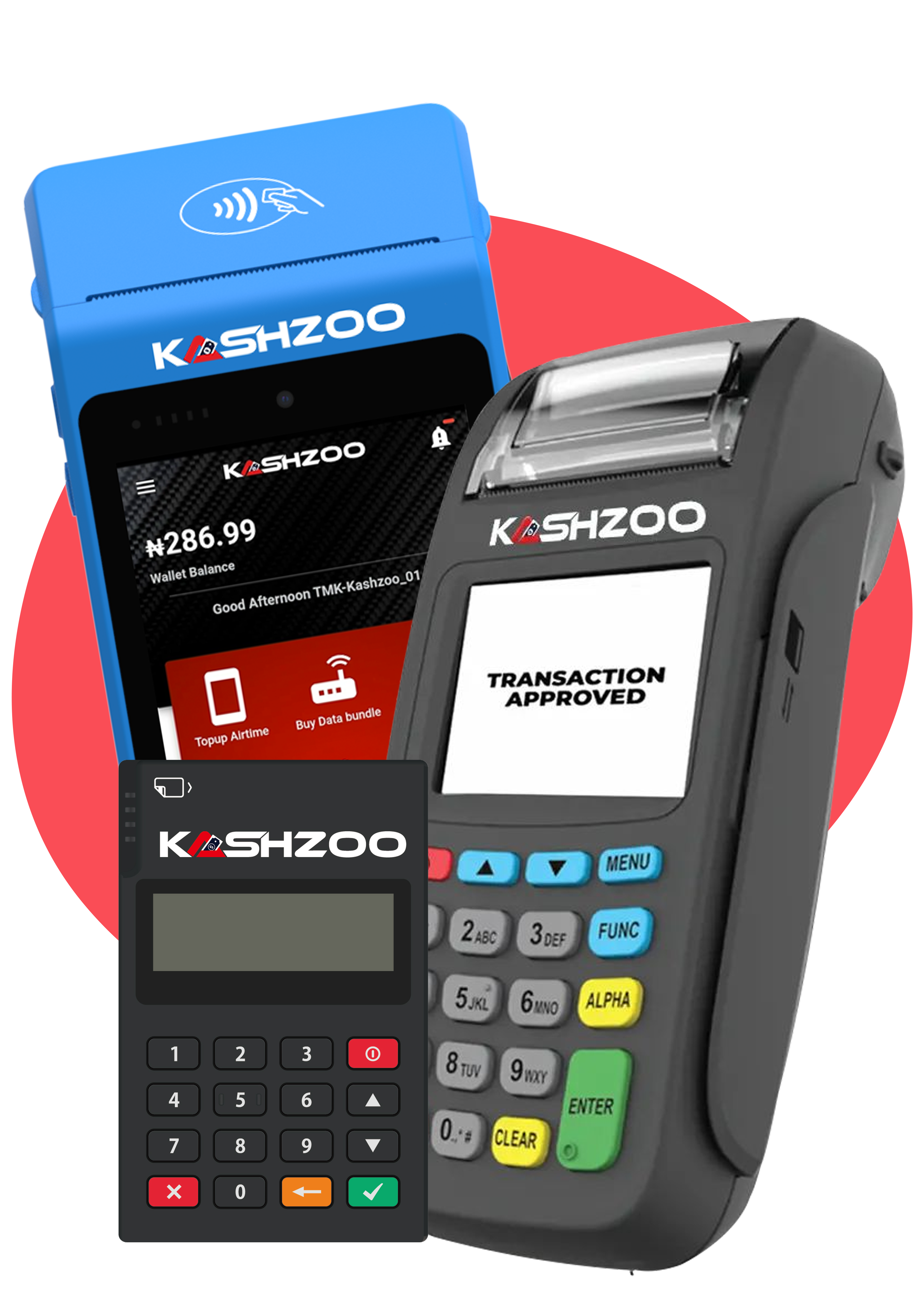
A provider like Kashzoo, which checks all the boxes, must become your partner to make your job easier and more profitable.
2. Dedicated Agent Accounts
The CBN now requires that all POS agents maintain dedicated accounts for their agency banking transactions. This means your personal funds and business transactions must be kept separate.
Why this matters
- Creates clearer financial records for your business
- Makes tax compliance and accounting much simpler
- Provides better protection for customer funds
- Demonstrates professionalism to your principal and customers
Action step: If you haven’t already, open a separate bank account just for your POS business operations.
3. Operational and Transactional Limits
The new regulations introduce limits of ₦500,000 for individuals and ₦5 million for corporate bodies on thetransaction volumes and amounts that agents can process. The daily cash-out limit is ₦100,000, and anyexcess withdrawal will attract a processing fee of 3% for individuals and 5% for corporate bodies. These limits are designed to reduce fraud and money laundering risks.
What you need to know
- Daily transaction limits will be enforced across all agents
- Large or unusual transactions may warrant additional verification requirements
- Exceeding limits without proper authorisation could lead to penalties
Smart approach: Keep accurate daily records of your transactions to help you stay within limits and provide documentation if questions arise.
4. Consumer Protection Measures
The CBN has strengthened consumer protection rules to build trust in the agency banking system. As a POS agent, you’ll be held to higher standards when serving customers.
Key requirements include:
- Clear disclosure of all fees before processing transactions
- Proper handling of customer complaints
- Secure storage of customer information
- Transparent transaction receipts for every service
The upside: While these measures require more attention to detail, they’ll actually help you build a stronger reputation and retain loyal customers.
5. Geo-Fencing for Terminals
Your POS terminal will now be restricted to operate within a specific geographic area. You can’t simply move your terminal from one location to another without authorisation.
What geo-fencing means in practice
- Your terminal is tied to your registered business location
- Moving to a new area requires updating your registration with your principal
- This prevents terminal misuse and reduces fraud
Strategic thinking: Choose your location carefully. High-traffic areas with consistent customer flow will maximize your earning potential.
6. Administrative Fines
There are now clear penalties for violations of the new regulations. Fines range from warnings to substantial monetary penalties depending on the severity of the violation.
Common violations that attract fines:
- Operating terminals from multiple principals after April 2026
- Processing transactions outside your geo-fenced area
- Failing to maintain proper transaction records
- Not complying with customer protection requirements
Prevention is key: Understanding and following the rules from day one will save you significant money and stress.
Will These Regulations Help or Hurt POS Agents?
This is the question on every agent’s mind, and the honest answer is: it depends on how you respond. Those who adapt strategically will find new opportunities, while those who resist change may struggle. Let’s look at it in both ways;
The Good News: Opportunities to Leverage
Geo-fencing curbs unfair competition
Before geo-fencing, some agents would move their terminals to high-traffic areas temporarily to undercut established agents. Now, everyone has a defined territory, creating a more level playing field.
One principal means stable partnerships
Working exclusively with one provider might seem limiting, but it builds stronger relationships. When you’re a loyal partner, your principal is more likely to:
- Offer better commission rates
- Provide priority technical support
- Give you advance notice of new products or services
- Consider you for special programmes or bonuses
Customer confidence increases
Stricter regulations mean customers will trust the agency banking more. When people feel safe, it means more transactions for you.
Less operational pressure
Managing multiple principals meant juggling different systems, apps, settlement schedules, and support channels. With one principal, you’ll have more time to focus on customer service and growing your business.
The Tough Part: Challenges to Navigate
Geo-fencing reduces flexibility
If you’re used to moving your terminal to where the action is, maybe a market on weekends or an event centre during weddings, you’ll need to rethink your strategy. Your success will now depend more on choosing the right permanent location.
Compliance demands better record-keeping
If you’ve been running your POS business casually without maintaining proper records, the new regulations will require significant adjustments. You’ll need to:
- Track all transactions daily
- Keep receipts and documentation
- Maintain your dedicated business account
- Submit regular reports to your principal
This might feel overwhelming at first, but it’s actually setting you up for long-term success by treating your POS business like the real enterprise it is.
The learning curve
Understanding all the new rules and adapting your operations will take time and effort. You might need to attend training sessions, read through documentation, or seek guidance from your principal.
Your Profitable Playbook: How to Succeed Under the New Regulations
Here’s how to position your POS business for success in 2026 and beyond;
1. Choose Your Principal Like You’re Choosing a Business Partner (Because You Are)
This decision will impact your daily operations and profitability for years to come. Don’t rush it. Create a checklist and evaluate your options carefully.
Questions to ask potential principals:
- What is your network uptime percentage?
- How do you handle technical issues during business hours?
- What’s your average dispute resolution time?
- What commission structure do you offer, and are there performance bonuses?
- Do you provide training and ongoing support for agents?
- How quickly do you credit transaction proceeds?
- What additional services or products can I offer through your platform?
Pro tip: Talk to other agents who work with the principals you’re considering. Their real-world experiences will tell you more than any marketing material.
2. Treat Your Location as a Strategic Asset
Since geo-fencing ties you to one location, choosing the right spot becomes crucial to your success.
Characteristics of a profitable POS location
- High foot traffic throughout the day
- Limited competition from other POS agents nearby
- Good security (reduces risk of theft or robbery)
- Proximity to businesses, markets, or residential areas
- Accessible parking or easy walking access
- Reliable power supply
If you’re already established, assess whether your current location has long-term potential. If not, now is the time to relocate before the regulations take full effect.
If you’re just starting, take your time scouting locations. Visit at different times of day to understand traffic patterns. Talk to nearby business owners about the area.
3. Upgrade Your Trust and Customer Experience
In a more regulated environment, customer trust becomes your competitive advantage. The agents who deliver the best experience will win the most business.
How to build trust
- Be transparent about transaction fees.
- Invest in your appearance. A simple branded banner or sign can make a big difference.
- Provide receipts every time, even for customers.
- Resolve issues quickly whenever they arise
- Learn basic troubleshooting
- Offer additional services because the more you can help customers with, the more valuable you become.
4. Master Your Business Records
Good record-keeping isn’t just about complianceit’s about understanding and growing your business.
What to track daily
- Total number of transactions
- Total transaction value
- Commission earned
- Failed or disputed transactions
- Peak business hours
- Customer complaints or issues
5. Stay Informed and Keep Learning
The regulatory environment will continue to evolve. Make staying informed part of your business routine.
How to stay updated
- Join your principal’s agent WhatsApp groups or communication channels
- Follow the CBN’s official announcements
- Connect with other POS agents in your area to share insights and updates
- Attend any training sessions your principal offers
Build relationships: Your relationship manager at your principal institution can be an invaluable resource. Stay in regular contact and don’t hesitate to ask questions.
Bottom Line
The days of casually running a POS business are ending. So, see the new regulations as an opportunity. Yes, the new CBN regulations will require adjustments to how you run your POS business. Some changes might feel restrictive at first. The bigger picture is that it’s changing the outlook of the industry.
Start preparing now. You have until April 2026 to make your choices and adapt your operations. When in doubt of the principal to partner with, remember Kashzoo ticks all your boxes and you can trust us with your POS business under the new regulations.

What do you think?
It is nice to know your opinion. Leave a comment.