







The POS business in Nigeria can be profitable, but making money today doesn’t always mean your business is growing. You might serve dozens of customers daily, handle thousands of naira in transactions, and still struggle to save enough to expand.
Does this sound familiar?
Other than your float, a good location and terminal, building a successful POS business requires proper planning, smart money management, and the ability to avoid mistakes that quietly affect your profits.
This post is for you if you’re just starting your POS business or planning to expand; it will help you understand what drives growth and build something that lasts.
What Does Business Success Mean to You?
Before thinking about how to grow your POS business, ask yourself one important question: “What does business success actually mean to me?”
Does it mean making more profits every day? Having more customers visit your POS stand? Opening additional POS branches across your community? Or earning enough to comfortably support your family?
For some POS agents, success means processing ₦500,000 worth of transactions daily. For others, it means earning a steady profit without constantly worrying about running out of cash or business capital.
While there’s no single definition of success, a successful POS business should generate consistent profits, satisfy customers, and remain financially stable.
Remember, processing ₦500,000 in transactions doesn’t mean you’ve earned ₦500,000. Your actual profit depends on your service charges, transaction costs, and operating expenses.
Once you understand what success means to you, making better business decisions becomes easier.
Common Mistakes That Hurt POS Business Growth
Here are some common mistakes to avoid;
1. Mixing Business Money With Personal Expenses
Imagine starting your day with ₦150,000 in working capital. Throughout the day, you spend money on food, transport, and personal needs without recording anything. By evening, you can’t explain why your business funds have decreased.
Mixing personal expenses with business money makes it difficult to measure profits and maintain enough cash for customers.
How to avoid this mistake:
- Keep personal money separate from your POS business funds.
- Pay yourself a fixed amount from your actual earnings.
- Record every withdrawal made for personal expenses.
- Use your designated agent account or wallet for business transactions.
2. Choosing the Wrong POS Business Location
A POS stand in a busy area doesn’t automatically guarantee good sales. So, when choosing a location, remember it affects customer traffic, operating costs, security, and profitability.
How to avoid this mistake:
- Study customer demand before choosing a location.
- Check how many POS agents operate nearby.
- Consider security, accessibility, and operating costs.
- Choose a suitable location and obtain the necessary approval from your POS provider.
3. Poor Cash and Float Management
Cash and electronic float are the lifeblood of a POS business.
If ten customers arrive to withdraw money, you must be able to serve all ten, not just three, because you’ve run out of cash.
Also, avoid having plenty of cash but insufficient electronic float to process deposits or transfers.
How to avoid this mistake:
- Monitor your available cash and electronic balance.
- Identify periods when withdrawals or deposits increase.
- Rebalance your cash and float before shortages occur.
- Maintain a reasonable reserve for unexpected demand.
4. Ignoring Customer Service
Customers have options, especially in areas with multiple POS operators. So, don’t be consistently rude, impatient, or unclear about charges. Good customer service builds trust, encourages repeat transactions, and attracts referrals.
How to avoid this mistake
- Treat every customer respectfully.
- Explain transaction charges before processing payments.
- Respond calmly to failed transactions and complaints.
- Keep your POS stand organised and welcoming.
5. Failing to Track Daily Profits and Expenses
Some POS agents measure success by how much money passes through their terminals.
But high transaction volumes don’t always translate into high profits.
For example, if you earn ₦8,000 in service fees but spend ₦5,000 on operating expenses, your profit is only ₦3,000. Keep proper records so you do not overestimate your earnings.
How to avoid this mistake
- Record your daily transaction income and expenses.
- Track POS charges, transport, rent, and other costs.
- Reconcile cash and electronic balances daily.
- Review weekly profits to identify areas for improvement.
6. Expanding Your POS Business Too Quickly
Opening multiple POS branches sounds exciting. However, expansion without proper planning can create more problems than profits. You may struggle with employee management, cash shortages, and rising operating expenses.
How to avoid this mistake
- Ensure your existing location generates consistent profits.
- Build enough working capital before expanding.
- Research demand and costs at potential new locations.
- Follow applicable CBN rules and your provider’s requirements for agent locations and operations.
7. Neglecting POS Security and Fraud Prevention
Fake alerts, unauthorised transactions, cash theft, and poor handling of customer complaints can expose your POS business to financial losses. Protecting your capital should always be a priority.
How to avoid this mistake
- Verify transactions before releasing cash.
- Never rely solely on customer payment screenshots.
- Protect your POS PIN, passwords, and login credentials.
- Keep transaction receipts and report suspicious activity immediately.
Best Practices for Sustainable Growth
Here are different ways to encourage sustainable POS business growth.
- Set realistic business goals: Decide how much profit you want to make monthly and track your progress. Your goals should reflect your working capital, location, and operating costs.
- Build customer loyalty: Customers are more likely to return when they receive reliable service, transparent charges, and respectful treatment.
- Reinvest part of your profits: Instead of spending everything you earn, set aside money to strengthen your working capital, improve security, and support future expansion.
- Stay informed about regulations: Follow Central Bank of Nigeria (CBN) guidelines and updates from your POS provider.
- Measure your performance regularly: Review your monthly earnings, expenses, customer demand, and transaction challenges. Knowing your numbers helps you make smarter decisions.
How Do You Know Your POS Business Is Growing?
Growth isn’t always about opening another branch or buying additional POS terminals. Sometimes, the clearest signs of progress are more repeat customers, stable working capital, reduced unnecessary expenses, and consistent profits.
Ask yourself, “Is my business more profitable and financially stable than it was three months ago?”
If the answer is yes, you’re probably moving in the right direction.
Final Thoughts
Building a successful POS business in Nigeria requires patience, discipline, and consistent effort.
While more customers, higher profits, and additional branches are exciting goals, sustainable growth begins with managing what you already have.
Avoid common mistakes, protect your working capital, treat customers well, and make decisions based on your actual earnings.
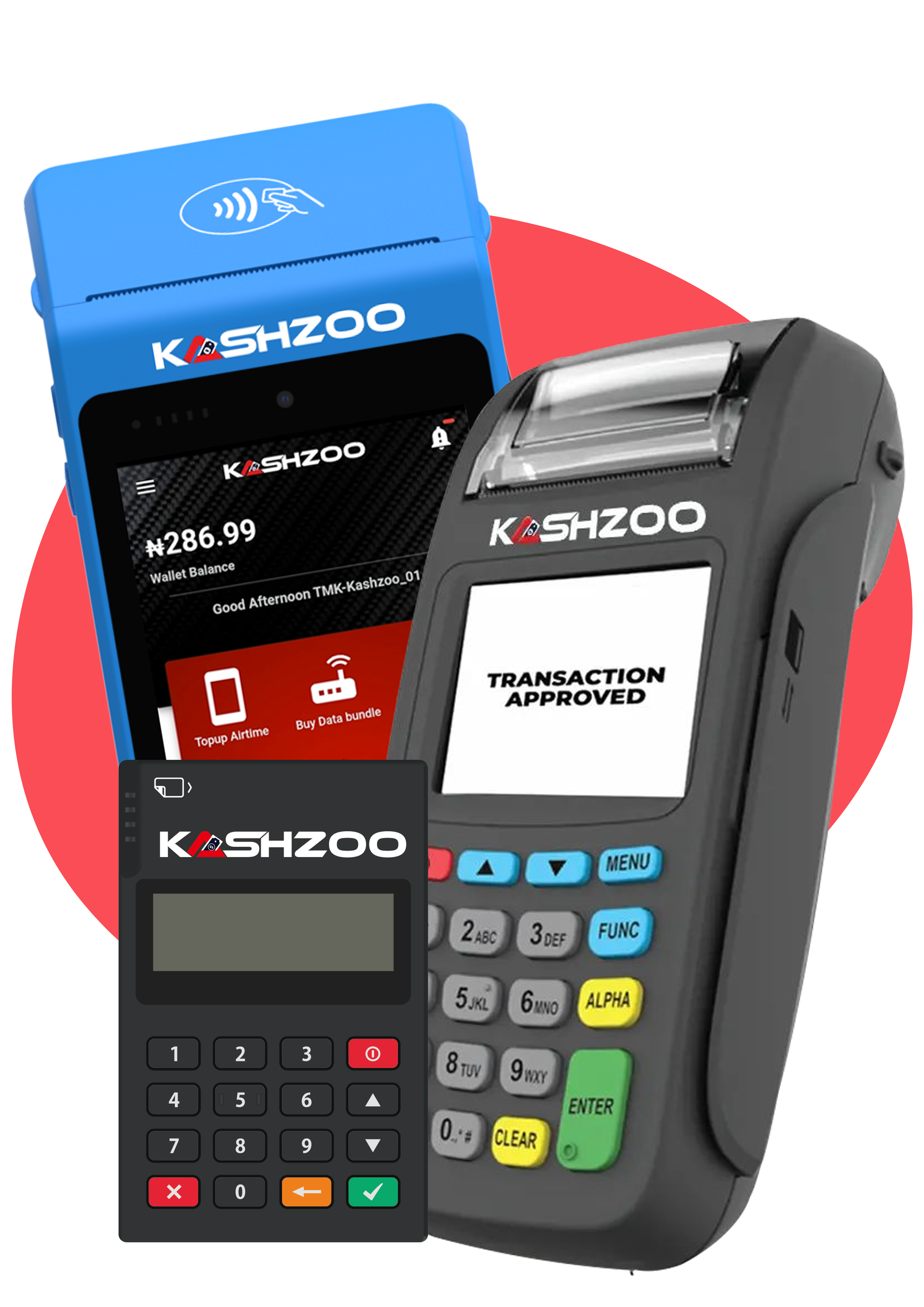
If you need a reliable POS terminal to grow a sustainable POS business, you should consider Kashzoo. A terminal built with your POS needs in mind.

What do you think?
It is nice to know your opinion. Leave a comment.