











Customers rely on POS agents to complete their transactions quickly and successfully. It doesn’t matter what kind of transaction it. It might be cash withdrawal, deposit, airtime, or data recharge. Customers just want it done fast, and done right.
But if your POS machine is down, none of that happens. Your customer walks away frustrated, and worse, they might walk straight to the next agent’s stand. To power daily transactions without downtime, you need more than just any POS machine. You need one built for reliability.
This article breaks down why downtime hurts your business, why uptime should be your top priority, and how to choose and prepare for a POS system that keeps you running, rain or shine.
How Downtime Can Affect Your Business Growth
As a POS agent, your machine is your business. When it goes down, even for a few minutes, the effects add up fast. Here’s what’s really at stake:
- Loss of customers: A customer who can’t complete a transaction with you today may not come back tomorrow. Once they find another reliable agent, they will switch.
- Loss of profit: Every failed transaction is money you didn’t make. Multiply that across a bad network day, and you’re looking at a real dent in your daily income.
- Damaged reputation: If people learn that your POS “doesn’t work well,” your stand becomes the one to avoid, even on your good days.
- Wasted float: You may have cash sitting idle, ready for withdrawals, but if the machine can’t process transactions, that float isn’t earning you anything. It’s just tied-up capital.
- Increased stress and uncertainty: Constant downtime means you’re always guessing whether today will be a good business day or a frustrating one. That unpredictability makes it hard to plan, restock float, or grow your business with confidence.
- Missed peak-hour income: Downtime during busy periods, such as weekends, salary days, or market days, results in customer and profit losses. Ensure your POS machine is never down during these periods.
- Competitive disadvantage: In areas with multiple POS agents, reliability is what helps you stand out. Though it is your business, don’t come out to serve customers only when you want.
Why Uptime Matters
For POS agents, uptime is the difference between a thriving business and one that’s constantly playing catch-up.
When your machine works consistently, you build trust. Customers start to see you as “the reliable one” in the area, the agent they can count on even during busy periods or network ‘wahala’. That reputation brings repeat customers, referrals, and steadier daily income.
Here’s what strong uptime actually gives you as an agent:
- No unexpected income gaps caused by machine failure.
- Stronger customer loyalty that keeps customers coming back to your store.
- Better cash flow management
- More transaction volume.
- Improved reputation in your community.
- Access to better agent incentives.
Choosing the Right POS
POS machines have different specifications. So, take your time to compare providers rather than just picking whichever one is trending. Here’s what to look out for when choosing a POS system;
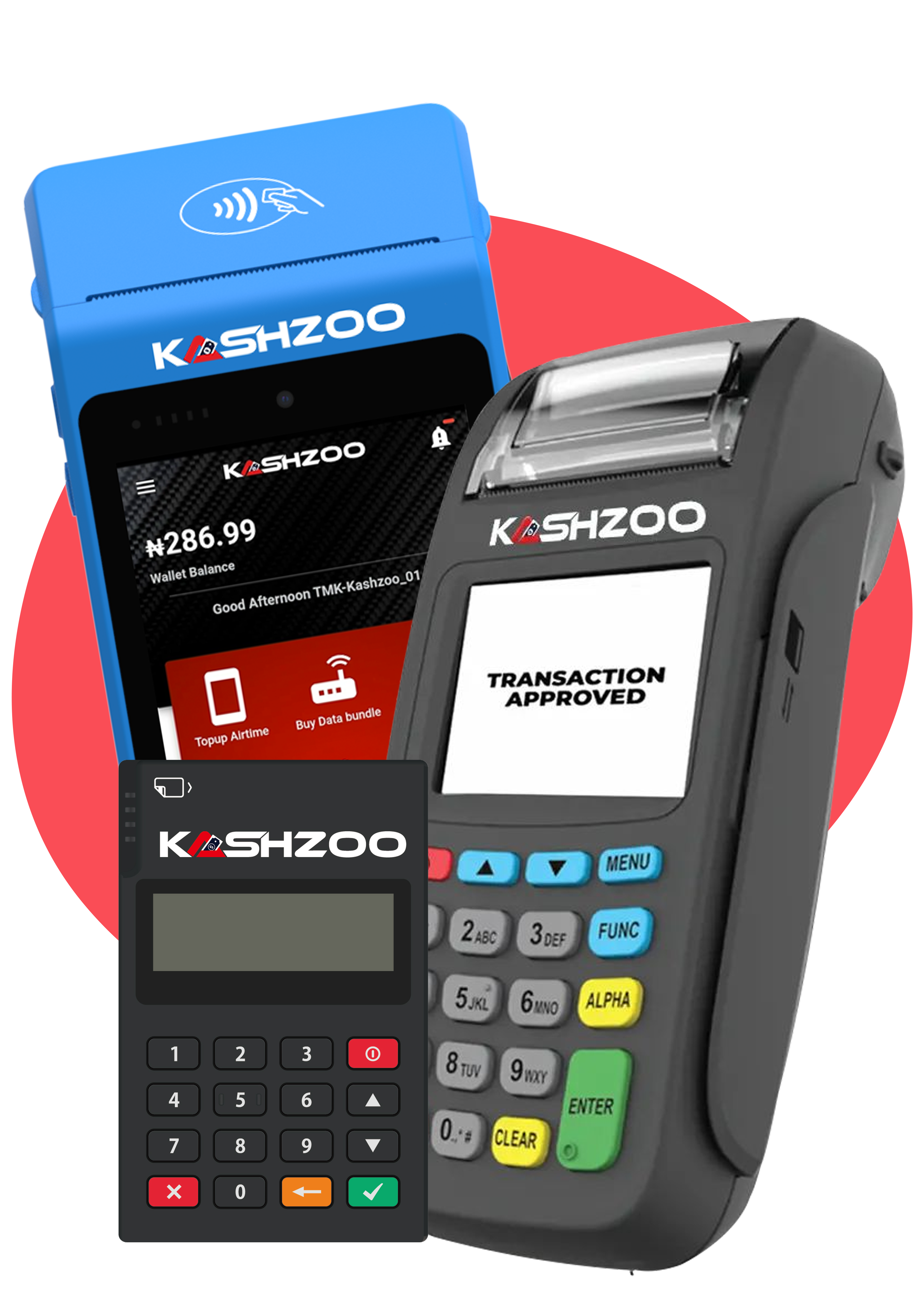
Network reliability: Ask about the provider’s uptime record. A good provider like Kashzoo is transparent about how their system performs during high-traffic periods and how quickly they resolve outages.
Fast settlement times: Money that takes days to reach your account doesn’t help your cash flow. Look for providers like Kashzoo known for same-day or near-instant settlement.
Responsive customer support: When something goes wrong, you need help fast, not after hours of waiting on a support line. Choose a provider like Kashzoo with 24/7 support that actually responds.
Battery life and durability: If you’re working in an area with unstable power, a POS machine with strong battery life is non-negotiable. You don’t want to lose transactions because your machine died mid-queue.
Transparent charges: Understand the fees attached to withdrawals, deposits, and other transactions upfront. Hidden charges eat into your profit without you realising it.
Multiple network support: POS machines that can switch between network providers (not locked to a single one) tend to have far less downtime, especially in areas where a single network is weak.
How to Prepare for Downtime
Even with the most reliable POS system, downtime can still happen occasionally because they are issues beyond your control. Below is how to prepare for downtime;
- Keep a backup POS machine from a different provider or network, if possible.
- Maintain a power bank or backup battery source for your terminal.
- Have an alternative payment method ready for customers, such as bank transfer, when the machine is unavailable.
- Inform customers politely and promptly of any delay, rather than leaving them guessing.
- Keep your provider’s support line saved and easy to reach.
- Track your downtime patterns, so you know which hours or days are most likely to be affected, and plan your float accordingly.
- Consider having two SIM lines from different networks on hand in case one network goes down.
Final Thoughts
Your POS business runs on trust, speed, and consistency. Every failed transaction chips away at that trust, while every smooth one builds it. Downtime will always be a risk in this business, but how you prepare for it and how carefully you choose your POS provider can make all the difference.
Focus on reliability first. Choose Kashzoo, a POS system built for uptime, prepare for the unexpected, and your customers will keep coming back, day after day.

What do you think?
It is nice to know your opinion. Leave a comment.