












There are POS agents everywhere in Nigeria. Most Nigerians rely on these agents for quick cash withdrawals, deposits, and transfers, especially when the nearest bank branch is far, or the queue is too long. But many customers still approach agents with questions, sometimes suspicion, before they hand over their card or cash.
As an agent, how you answer these questions can decide whether a customer trusts you with their money or walks to the next stand. Let’s look at what customers are really asking and how you can respond in a way that builds your reputation and keeps them coming back.
Q1: Is it safe to withdraw money from your POS stand?
A1: Yes, especially if you’re a registered agent under a recognised bank or fintech. The Central Bank of Nigeria now requires agent devices to be tied to a specific location, which has made the system more traceable and secure. You can reassure customers by displaying your agent ID or registration details. Also, never ask for their card PIN, and always let them enter it themselves.
Q2: Why do you charge me to withdraw my own money?
A2: This is probably the question you hear the most, and customers often say it feels like “buying back my own money.” The truth is, the charge covers real costs like your float, data connectivity, transport, and the small percentage that goes to the processor and the customer’s bank behind the scenes. Charges are now regulated too, so you can charge less than the approved price list, but not more. Being upfront about your rate before the transaction, rather than after, avoids most disputes.
Q3: I was debited, but you said the transaction failed. What happens to my money?
A3: This is one of the most common frustrations customers have, and it usually comes down to a network delay between your terminal, the processor, and the bank. In most cases, the money reverses automatically within 24 to 72 hours. As an agent, the best thing you can do is stay calm, avoid handing over cash until you see the transaction reflect on your end, and always give the customer a printed slip. Banks often ask for this slip as proof when the customer files a complaint.
Q4: How is your POS different from the ATMs at the bank?
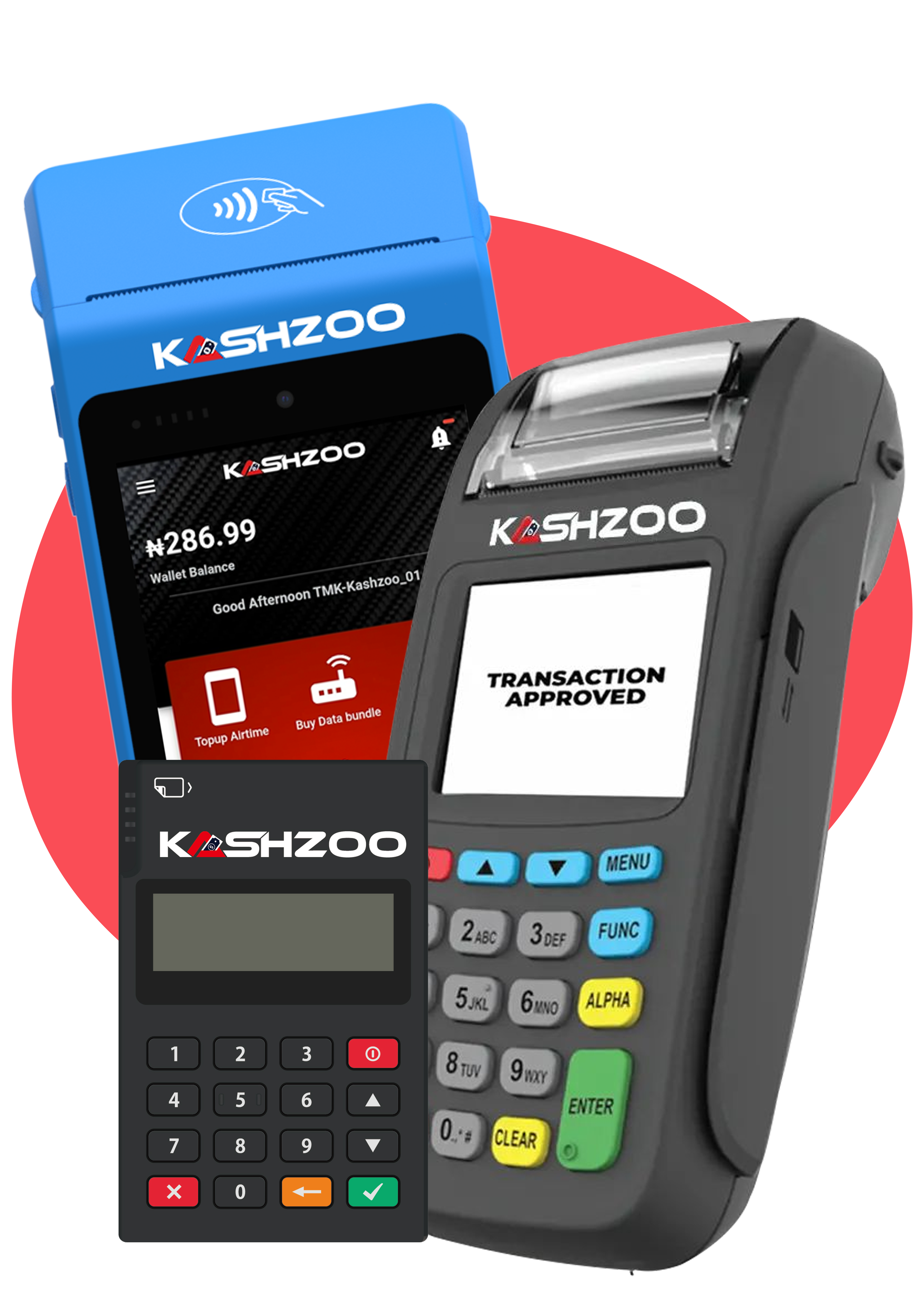
A4: A bank’s ATMs are usually for self-service like cash withdrawals, balance enquiries, mini statements, and PIN changes, without needing anyone to attend to you. Your agent terminal such as Kashzoo, on the other hand, is mainly set up for cash withdrawals, deposits, and transfers, bill payments and is registered under a bank or fintech as your “principal.” Customers sometimes assume all POS machines work the same way, so it helps to explain that your service is for cash transactions even without their debit cards on them.
Q5: How long should I wait for a refund if my transaction fails?
A5: Under current guidelines, refunds for failed transactions should reflect within 24 hours for most cases, and up to a few working days if another bank is involved. Some customers have waited longer than this in the past, which is why keeping proper records matters. Encourage your customers to hold on to their receipt, note the transaction time, and follow up with their own bank directly rather than assuming you’re the one responsible for the refund.
Q6: Why does your POS network go off?
A6: Network issues are usually linked to your mobile network or congestion on the processor’s or bank’s side, not a fault with your specific machine. This tends to spike during busy periods like month-end, salary days, or festive seasons, when transaction volumes surge nationwide. Let customers know it’s a temporary, wider network issue, rather than something wrong with your business. That keeps the interaction friendly instead of tense.
Q7: Is there a limit to how much I can withdraw or deposit with you?
A7: Yes. Recent CBN guidelines introduced daily and weekly caps on agent banking transactions to reduce fraud and control excessive cash circulation. These limits differ depending on whether it’s a cash-in, cash-out, or transfer transaction. As an agent, staying updated on these limits means you can explain them clearly to customers instead of turning them away without a reason, which keeps trust intact even when you can’t complete a request.
Q8: How do I know you won’t run away with my money if the machine acts up?
A8: This concern often comes from stories of fraud or unresolved disputes elsewhere. The best way to counter it is consistency; operate from the same visible location every day, avoid handling transactions away from your registered spot, and always issue a receipt. A geo-fenced, properly registered terminal already limits this risk structurally, but your daily reliability is what actually earns long-term trust.
Final Thoughts
Every customer who walks up to your stand is trusting you with money they’ve worked hard for, even if it’s just for a few minutes. Agents who explain charges clearly, handle failed transactions calmly, and stay consistent with their location and service build the kind of reputation that retains customers and brings new ones through word of mouth. In a business built on trust, that reputation is often worth more than any single transaction.

What do you think?
It is nice to know your opinion. Leave a comment.